
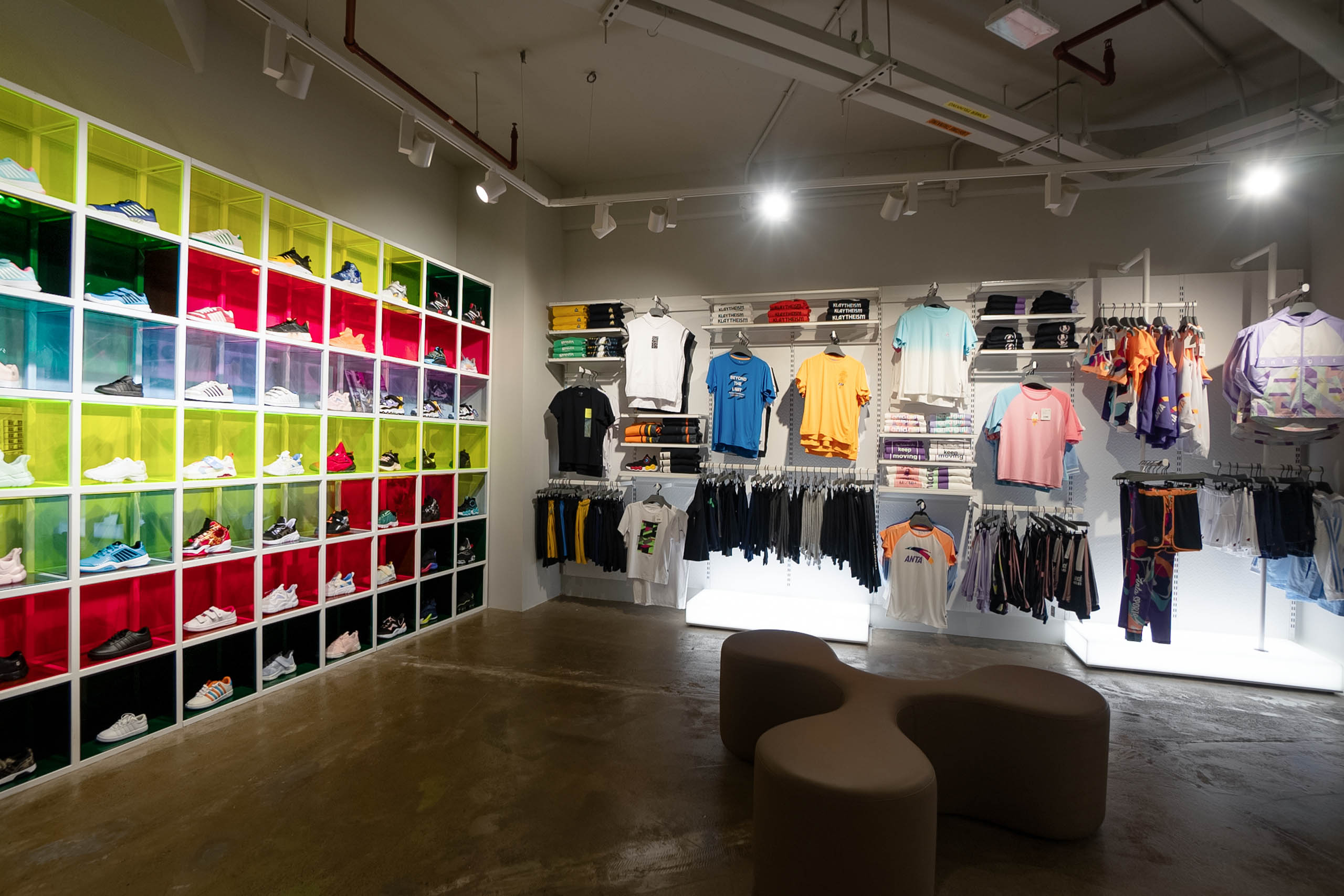
A successful retail store is more than a collection of shelves, counters, displays, and lighting. It is an environment designed to influence how customers move, what they notice, how they interact with products, and ultimately how they remember a brand.
As retail continues to evolve, brands are placing greater emphasis on creating physical spaces that combine function, visual identity, technology, and customer experience. The challenge is making all of these elements work together seamlessly.
That is where an integrated approach to retail design becomes increasingly valuable.
What Is Integrated Retail Design?
Integrated retail design brings multiple parts of a store development project together rather than treating them as separate tasks.
Instead of designing the store, sourcing fixtures, developing digital elements, manufacturing components, and managing installation through disconnected suppliers, an integrated partner can coordinate these stages as one connected process.
For retailers, this can mean greater consistency between the original concept and the finished store, fewer coordination challenges, and more control over quality and timelines.
At 800Retail, this approach extends from concept and product design through fabrication, joinery, integrated LED solutions, prototyping, and installation. The company's operations span retail fixtures, digital solutions, and complete retail environments.
1. Start With the Shopper, Not the Fixture
One of the biggest mistakes in retail design is beginning with the question:
“What should the store look like?”
A better question is:
“How should the customer experience the store?”
The layout should help customers navigate naturally, discover products, understand categories, and identify important brand messages.
Fixtures therefore have a role beyond holding merchandise. Their position, height, lighting, materials, and configuration can influence visibility and movement throughout the space.
800Retail's design philosophy places the shopper at the centre of the process, with retail-focused design intended to improve product visibility, customer flow, brand storytelling, and the use of available space.
2. Make Fixtures Part of the Brand Story
Retail fixtures are often treated as purely functional components. But in a well-designed environment, they become part of the brand identity.
Materials, finishes, proportions, lighting, shelving systems, podiums, wall units, and feature displays can all communicate something about a brand.
A luxury retailer may require precision, refinement, and premium materials. A sports brand may favour bold forms and energetic visual merchandising. A technology retailer might use clean lines, integrated digital displays, and interactive product presentation.
The fixture should therefore support the brand rather than compete with it.
800Retail works across a broad range of retail categories, including luxury and designer stores, fashion, footwear, jewellery, home and living, hypermarkets, health and beauty, electronics, kids and toys, travel, pharmacy, and more.
3. Combine Physical and Digital Experiences
The modern store is increasingly becoming a meeting point between physical retail and digital engagement.
LED walls, transparent screens, interactive displays, digital fixtures, and dynamic content can transform traditionally static areas into communication and storytelling platforms.
For example, a product display can combine physical merchandising with a digital screen showing product demonstrations, campaign content, styling ideas, or real-time promotional information.
This creates opportunities for retailers to refresh the customer experience without rebuilding the physical environment.
800Retail's digital solutions include indoor and outdoor LED screens, transparent displays, 3D screens, ceiling displays, floor screens, digital poster solutions, video processing systems, cloud-based LED management, and content-management solutions.
The important point, however, is that technology should serve the retail concept.
A screen should not be installed simply because it is impressive. It should have a purpose—whether that is communicating a campaign, explaining a product, strengthening the brand experience, or helping customers interact with the space.
4. Prototype Before You Produce at Scale
Retail projects can involve hundreds or even thousands of individual components.
A small design problem can therefore become a significant issue when it is repeated across an entire store network.
Prototyping provides an opportunity to identify these problems before full-scale production.
A physical mock-up can help teams evaluate:
- Material selection
- Colour and finish
- Lighting
- Product visibility
- Fixture proportions
- Customer interaction
- Ergonomics
- Assembly requirements
- Brand consistency
800Retail highlights rapid prototyping and full-scale mockups as part of its design and R&D process, allowing materials, aesthetics, and ergonomics to be evaluated before mass production.
This is particularly valuable for brands operating multiple locations, where consistency matters just as much as creativity.
5. Design for Flexibility
Retail does not remain static.
Product ranges change. Campaigns change. Seasonal collections arrive. Store formats evolve. Technology changes. Customer expectations change.
A retail environment designed only for today's requirements can quickly become expensive to modify.
Modular and adaptable fixture systems can provide a more flexible alternative.
Components can potentially be reconfigured, replaced, or upgraded as the store evolves. Digital elements can also make it possible to refresh visual communication without changing the physical structure of the space.
800Retail's R&D work includes smart and modular fixture systems designed around evolving retail requirements and technology integration.
The result is a store that can adapt rather than becoming obsolete.
6. Sustainability Should Be Designed In
Sustainable retail design is increasingly moving beyond the choice of individual materials.
The larger question is how the entire retail environment is designed, manufactured, transported, installed, maintained, and eventually adapted or replaced.
Durable materials, efficient manufacturing, modular systems, responsible material selection, and longer fixture lifecycles can all contribute to a more sustainable retail environment.
800Retail states that sustainability is incorporated into its approach and highlights the use of sustainable materials within its retail solutions.
For retailers, sustainability can therefore be considered alongside durability, operational efficiency, adaptability, and long-term value—not as an afterthought.
7. One Connected Process Can Reduce Complexity
A retail project can involve designers, architects, engineers, fixture manufacturers, technology providers, contractors, installers, and project managers.
When these parties operate independently, communication gaps can create delays, inconsistencies, additional costs, or compromises between the original design and final execution.
An integrated retail partner can reduce some of this complexity by connecting multiple stages of the process.
800Retail describes its model as an end-to-end partnership covering retail design, product design, fabrication, joinery, integrated LED solutions, and installation.
This approach can be particularly useful for retailers managing complex rollouts or multiple store formats.
The Future of Retail Is the Experience
Retail environments are becoming more than places where products are displayed.
They are becoming spaces where brands communicate their identity, customers discover products, technology creates interaction, and physical design supports commercial goals.
The strongest retail environments bring these elements together.
That means the future of retail design is not simply about creating more attractive stores. It is about creating better-connected experiences—where architecture, fixtures, lighting, technology, materials, merchandising, and customer flow work together.
For retailers planning a new store, refurbishment, flagship, pop-up, or multi-location rollout, the right question may no longer be:
“Who can manufacture our fixtures?”
Instead, it may be:
“Who can help us turn our retail concept into a complete customer experience?”
An integrated approach can help bridge that gap—from the first concept on the drawing board to the moment a customer walks through the finished store.
Building the Next Generation of Retail Environments
Creating a successful retail environment requires more than individual products. It requires coordination between design, engineering, manufacturing, technology, installation, and the customer experience.
That integrated philosophy is at the heart of 800Retail's approach to retail environments, combining in-house capabilities with retail-focused design, prototyping, fixture manufacturing, digital solutions, and project execution.
As retail continues to change, brands that invest in adaptable, experience-led environments will be better positioned to create spaces that remain relevant long after opening day.


