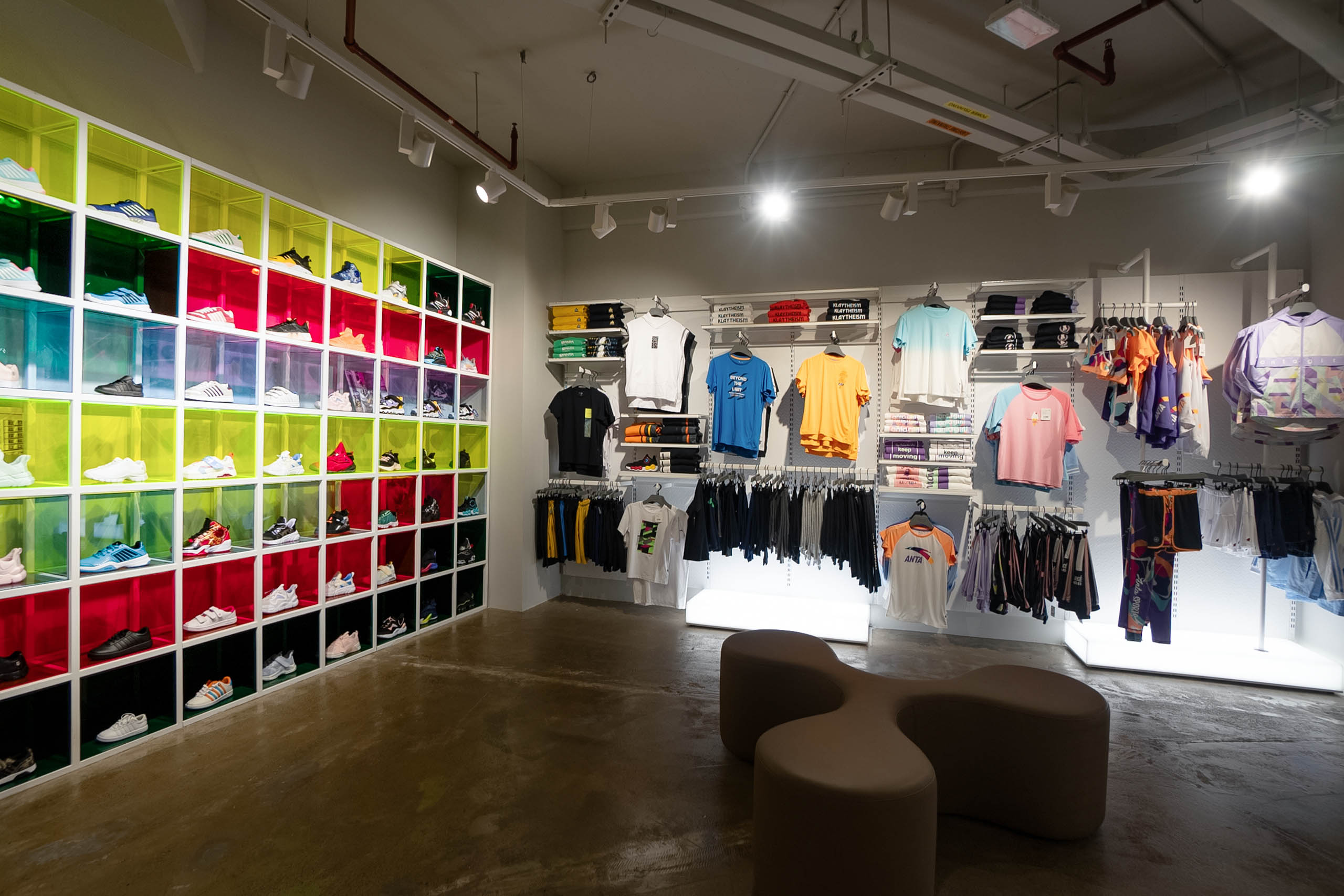
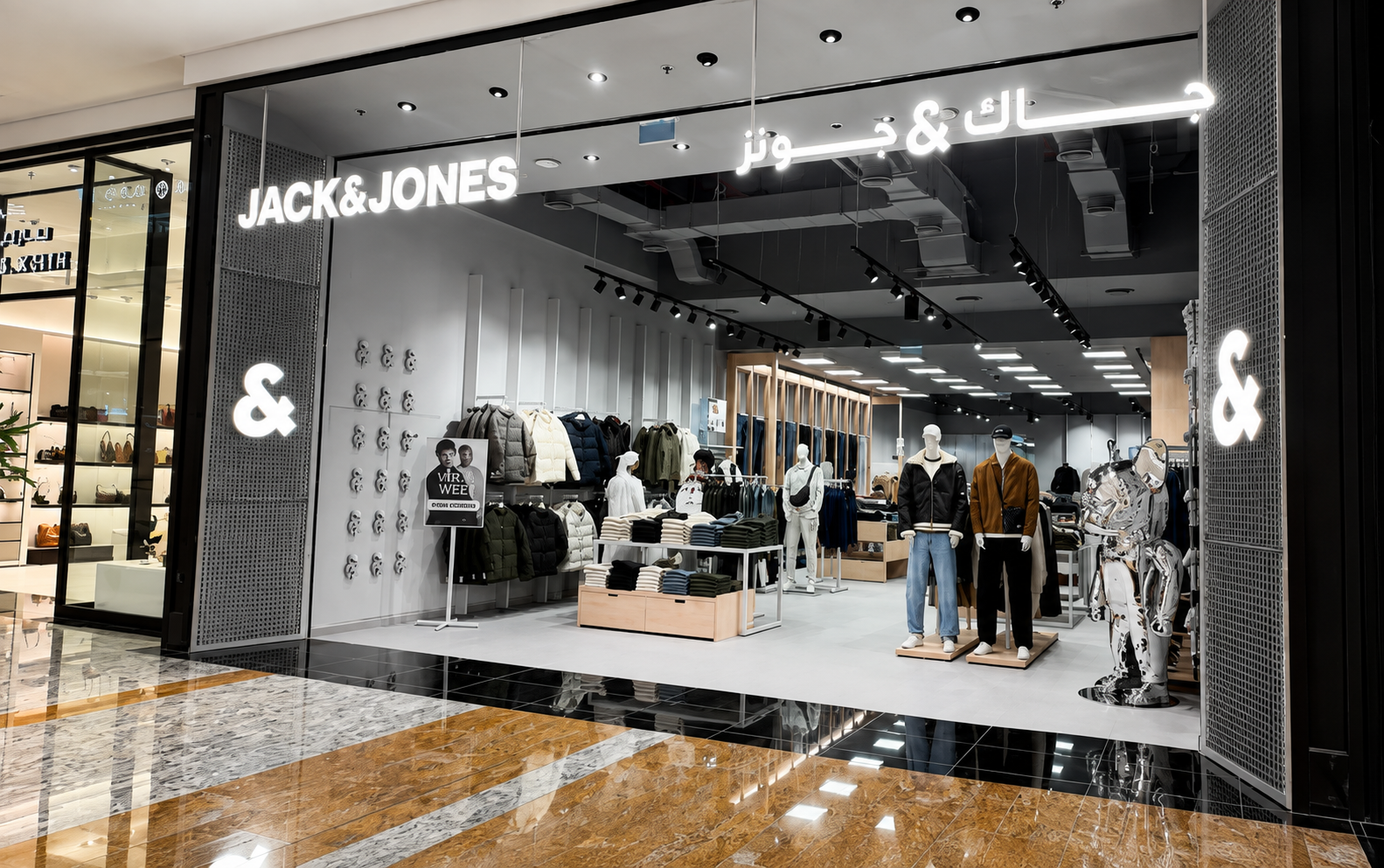
A modern retail store is no longer simply a place where products are displayed and transactions take place. Today, the physical environment plays an important role in how customers discover products, interact with brands, and ultimately decide what to buy.
From carefully planned shelving and display units to integrated lighting and digital screens, every element of a retail environment can contribute to the customer experience. This is where professionally designed and manufactured retail fixtures become essential.
What Are Retail Fixtures?
Retail fixtures are the physical elements used to display, organize, and present products within a store. They can include wall units, gondolas, display tables, podiums, cash counters, feature displays, shelving systems, and other customized structures.
However, effective retail fixtures do more than hold products.
They help define the visual identity of a store, guide customers through the space, improve product visibility, and create a consistent environment that reflects the brand.
800 Retail Solutions approaches retail fixtures as part of a broader brand experience, combining design, engineering, fabrication, and installation to create environments tailored to different retail requirements.
Why Retail Fixtures Matter
The way products are presented can have a significant influence on how customers experience a store.
A well-designed fixture can make a product easier to discover, create a natural customer flow, highlight important collections, and make better use of available floor space.
For example, wall-mounted displays can maximize vertical space while keeping products visible. Gondolas can help organize merchandise in larger retail environments, while feature fixtures can create focal points for new launches or important collections.
The objective is not simply to fill a store with furniture. It is to create a carefully considered environment where products and brand identity work together.
Designing Around the Customer
One of the most important principles of effective retail design is to start with the shopper.
Customers should be able to move naturally through a store, understand product categories quickly, and identify important displays without unnecessary visual clutter.
800Retail describes its design approach as starting with the shopper, with attention given to product visibility, customer flow, brand storytelling, and the efficient use of every square meter.
This customer-first approach can be particularly important in high-traffic environments such as fashion stores, footwear outlets, supermarkets, electronics stores, pharmacies, and home-and-living spaces.
Combining Fixtures With Digital Experiences
Retail environments are also becoming increasingly digital.
Physical fixtures can now incorporate high-resolution displays, LED screens, interactive elements, and digital content. Instead of treating technology as a separate component, it can become part of the physical retail environment.
For example, a display wall can combine product shelving with integrated digital screens. A podium can incorporate a screen for product information or promotional content. Larger installations can use LED displays to create dynamic brand experiences.
800Retail's digital solutions include indoor and outdoor LED displays, transparent screens, cylindrical screens, ceiling displays, floor screens, and other customized digital formats.
The result is a retail environment where physical and digital elements support one another.
From Concept to Manufacturing
A successful retail environment requires more than an attractive concept.
The design must eventually become a physical product that can be manufactured accurately, transported efficiently, installed correctly, and maintained over time.
This is why having design, engineering, prototyping, fabrication, and installation capabilities working together can simplify complex retail projects.
800Retail states that its operations include in-house design and development, machine processing, metal fabrication, prototyping, and installation. Its facilities span more than 300,000 square feet across the UAE and Saudi Arabia.
This integrated approach allows design decisions to be considered alongside manufacturing requirements from the beginning of a project.
Retail Fixtures Across Different Industries
There is no single fixture solution that works for every type of retail business.
A luxury fashion store may require refined finishes and carefully controlled lighting, while a supermarket may prioritize product capacity, accessibility, and efficient customer circulation.
800Retail lists experience across a broad range of retail categories, including:
- Luxury and designer stores
- Fashion and apparel
- Footwear and accessories
- Jewelry
- Home and living
- Hypermarkets
- Health and beauty
- Electronics and technology
- Kids and toys
- Travel and luggage
- Pharmacy
- Kitchenware and home appliances
- Optical stores
- Automotive supplies
This variety demonstrates why retail fixture design needs to be adapted to the products, customers, brand, and physical environment of each project.
The Importance of Prototyping
Before a complete retail environment goes into production, testing and prototyping can help identify design and manufacturing issues.
A full-scale mock-up can allow designers and clients to evaluate dimensions, materials, finishes, lighting, product placement, and usability before large-scale fabrication begins.
800Retail highlights rapid prototyping and full-scale mock-ups as part of its design and R&D process, allowing designs to be validated before moving into full production.
This can help reduce costly changes later in the project and create greater consistency between the original design concept and the finished store.
Real-World Retail Applications
The company's project portfolio illustrates how these principles can be applied across different retail environments.
Its project references include stores and retail environments such as OC HOME, THE BOX, Sneaker District, UMBRO, LEPERL, and other concepts and installations across the UAE and wider region. Projects include complete fixture supply and installation, wall units, gondolas, cash counters, display tables, feature fixtures, space planning, and coordination with mall management.
The portfolio also includes concepts for brands and retail formats ranging from footwear and sports apparel to supermarkets, fashion, pop-up stores, and LED-focused environments.
These projects demonstrate an important principle: retail fixtures should be designed around the purpose of the space rather than treated as generic furniture.
Creating Stores That Tell a Brand Story
The strongest retail environments combine functionality with identity.
Materials, proportions, lighting, colors, displays, digital elements, and customer movement can all communicate something about a brand.
A footwear store might use bold display structures and digital content to create an energetic environment. A luxury store may use restrained materials, precise lighting, and minimal displays to create a sense of exclusivity.
In both cases, the fixtures become part of the brand language.
This is why retail fixture manufacturing and retail design increasingly overlap. The physical elements inside a store are not merely infrastructure—they are part of the customer's perception of the brand.
The Future of Retail Environments
Retail continues to move toward more immersive, flexible, and technology-enabled experiences.
Future stores are likely to place even greater emphasis on adaptable fixtures, integrated digital displays, efficient space utilization, sustainable materials, and experiences that connect physical environments with digital content.
The challenge for retailers is to ensure that technology and design remain purposeful.
A screen should not exist simply because it is technologically impressive. A fixture should not exist simply to occupy space. Every element should contribute to the customer's journey and the overall purpose of the store.
Building Better Retail Experiences
Modern retail fixtures sit at the intersection of design, manufacturing, branding, technology, and customer experience.
When these disciplines work together, a retail space can become more than a collection of shelves and displays. It can become an environment that communicates a brand, guides customers, showcases products, and creates memorable experiences.
For retailers planning a new store, refurbishment, rollout, or branded environment, the right retail fixture partner can therefore play an important role from the earliest concept through to final installation.
With capabilities spanning design, engineering, fabrication, digital solutions, and installation, 800 Retail Solutions positions itself as an end-to-end partner for creating retail environments built around both brand and customer experience.
Conclusion
The future of retail is not simply about having more products or more technology. It is about creating better experiences.
Thoughtfully designed retail fixtures can help retailers make better use of their space, improve product presentation, strengthen brand identity, and create environments that customers want to explore.
When design, manufacturing, digital technology, and customer experience come together, the result is a store that does more than sell—it tells a story.